Enrichment is a long game — families who choose well often stay with one provider for years. That makes the first decision worth an hour of hard questions. Here are the ten we would ask of any centre, including our own.
1. Who actually teaches — and how are they trained?
Ask who will stand in front of your child every week, not who founded the brand. Good centres can describe their hiring bar, their initial training and how teaching quality is reviewed after opening. Vague answers about “passionate instructors” are a red flag; a named training and audit process is a good sign.
2. Is there a written curriculum beyond this term?
A real programme can show you what year three looks like before you pay for term one. Ask to see the ladder: what a child learns at each stage and what marks readiness for the next. If the answer is a brochure of one-off workshops, you are buying activities, not an education.
3. Can they prove outcomes?
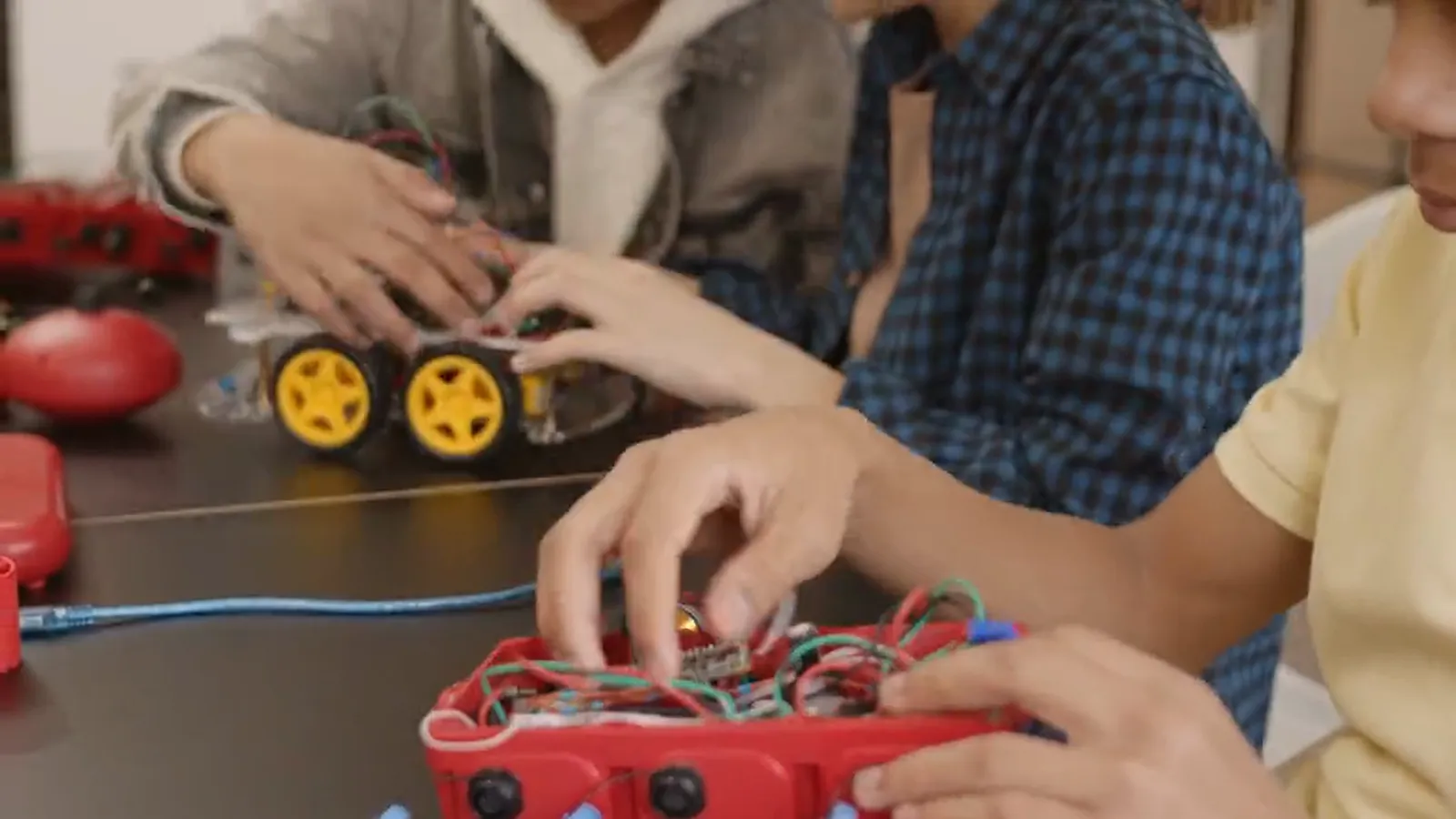
Outcomes are things you can verify: competition results, exhibitions, portfolios, university offers. Ask for specifics — which competition, which year, which level. If you are weighing a robotics programme, our honest look at whether VEX robotics is worth it shows what verifiable results look like in that field.
4. How large are classes, really?
Ask for the actual teacher-to-student ratio in the class your child would join — not the advertised maximum. Then ask what happens when a child falls behind or races ahead. Centres that stream by readiness rather than age usually have thought harder about this.
5. Can your child try a real lesson first?
A showroom tour tells you little; a real lesson tells you everything. The strongest signal is a centre confident enough to let your child join an actual class before you commit. At OpenKids, for instance, the first class is free and comes with a skills assessment — because a trial that costs nothing is the fairest way for both sides to decide.
6. Are the fees fully transparent?
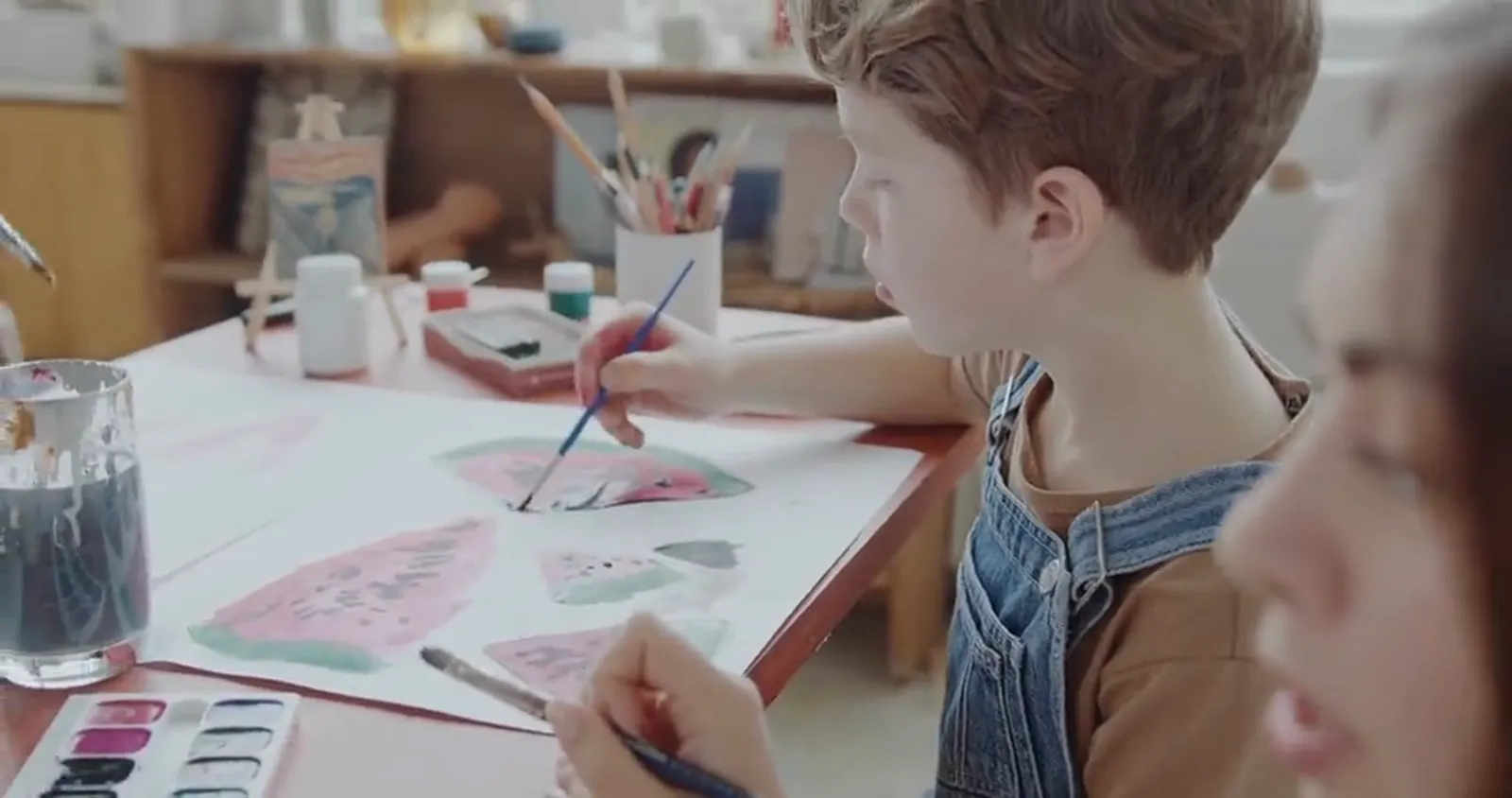
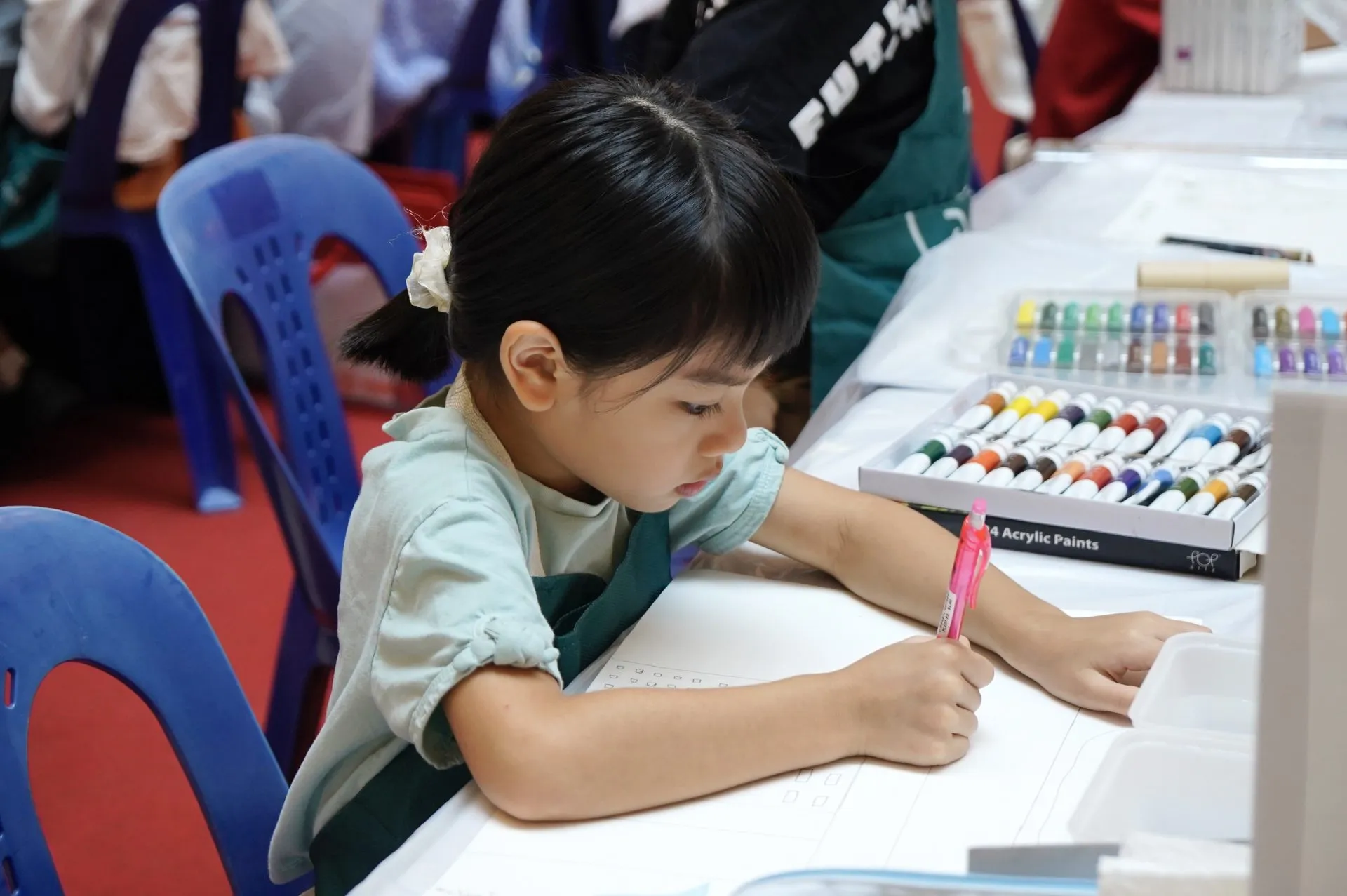
Ask for everything in writing: term fees, materials, registration, competition costs, holiday programmes. The number that matters is the annual all-in figure, not the per-lesson headline. Our breakdown of what children's art classes cost in Singapore shows how to compare like for like.
7. What is the refund and make-up policy?
Read it before you sign, not after a dispute. Look for written policies on withdrawal, missed lessons and teacher changes. A centre that puts its refund terms in plain language is telling you something about how it treats families generally.
8. How will you see progress?
“She's doing great” is not reporting. Ask what you will actually see and how often — work samples, skill records, teacher notes, a learning record you can open at home. Progress you can inspect keeps everyone honest, including the centre.
9. Is the environment safe and fit for purpose?
Visit in person. Check the basics — pickup procedures, equipment condition, ventilation, who is present during classes — and watch a lesson in progress if you can. How a centre runs on an ordinary Tuesday tells you more than any open house.
10. What happens when your child outgrows the level?
The most overlooked question. Many centres are excellent for exactly two years — then the ceiling arrives and you start the search again. Ask where the pathway leads at 10, at 14, at 17. If your child may head towards creative university applications, the art portfolio timeline shows why the later years need runway planned early.
Red flags worth walking away from
- Pressure to sign a long contract on the first visit, or “today-only” discounts
- No trial lesson, or a staged demo instead of a real class
- Outcome claims that cannot be verified — no names, dates or results
- Fees that only appear after a sales conversation
- No written answer to the refund question
Frequently Asked Questions
What is the most important question to ask an enrichment centre?
Ask to see the multi-year curriculum. A centre that can show what year three looks like has a real programme; one that can only describe next term is selling activities. Then verify outcomes: competitions, portfolios and results you can check.
Should my child do a trial class before enrolling?
Always. A real lesson reveals teaching quality, class dynamics and your child's genuine interest in a way no tour can. Prefer centres that offer a genuine class as the trial — ideally free — rather than a staged demonstration.
How many centres should we compare?
Two or three serious candidates is usually enough, provided you ask each the same ten questions and see a real lesson at each. Comparing more mostly adds noise; comparing fewer means no baseline.
When should we switch enrichment centres?
When progress stalls and the centre cannot show you a plan, when your child has outgrown the top level, or when reporting stays vague after you have asked for specifics. A good centre will tell you honestly when it has taken your child as far as it can.